
Climate Change: A Gradient of Perception
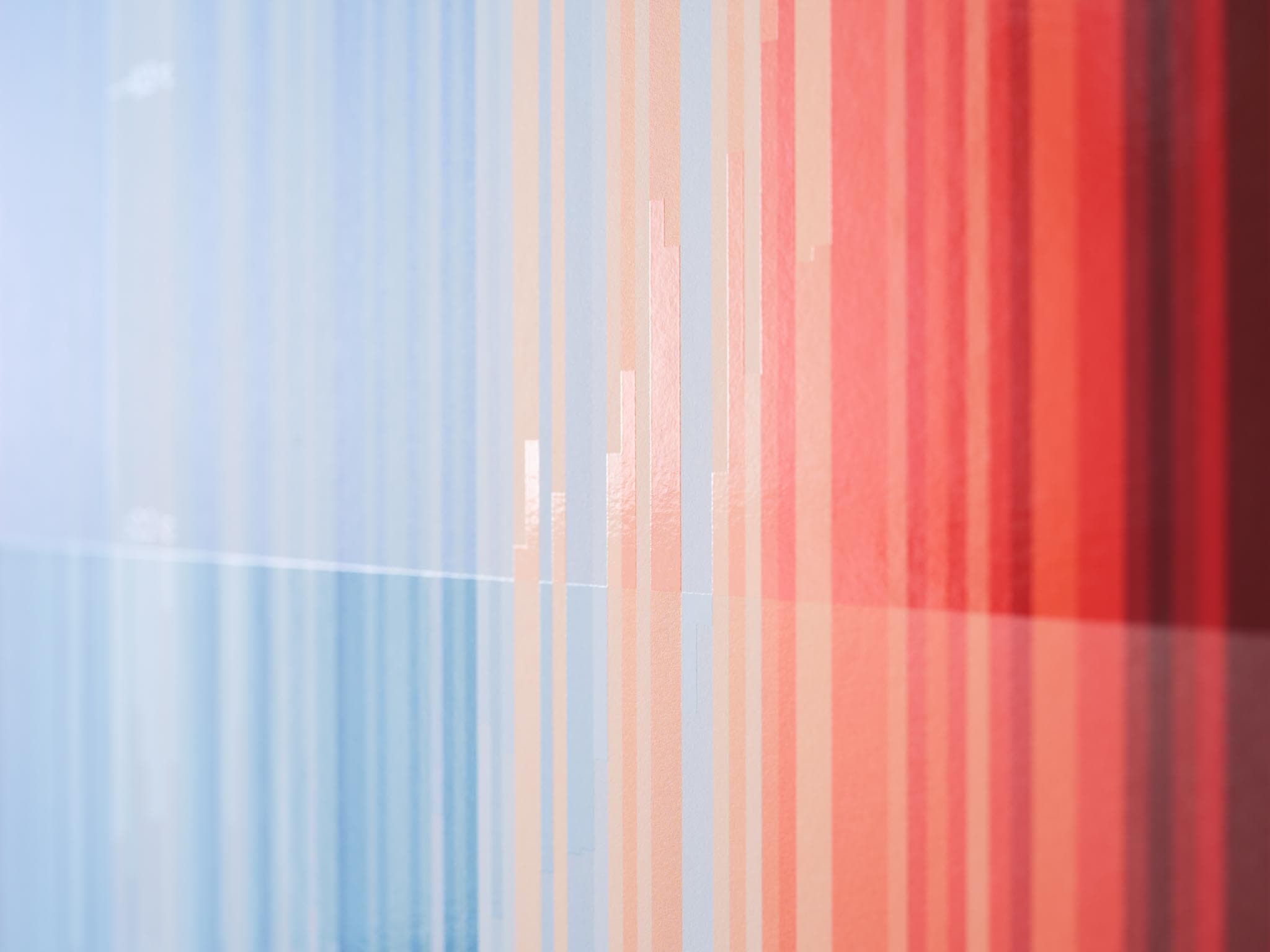
Now that climate change sits among the central concerns of international society, we can return to a simple question — how did human beings come to read the atmosphere as a system?
ClimateStories from the boundary between art and data.

Now that climate change sits among the central concerns of international society, we can return to a simple question — how did human beings come to read the atmosphere as a system?
Climate
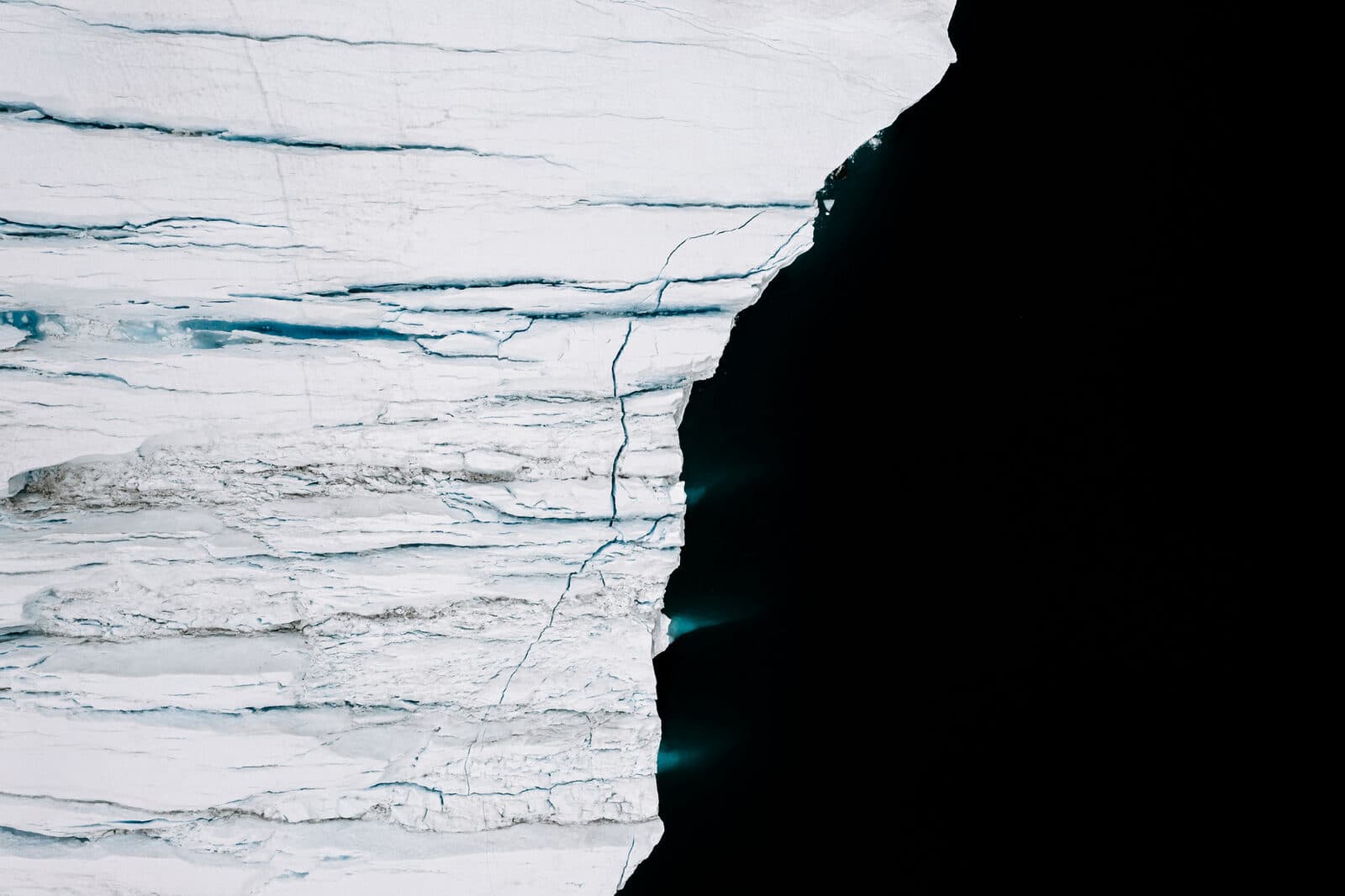
With only a small temperature change, sea ice might exist — or it might not. The fate of arctic ice will profoundly impact the interconnected networks of life on Earth.
Climate
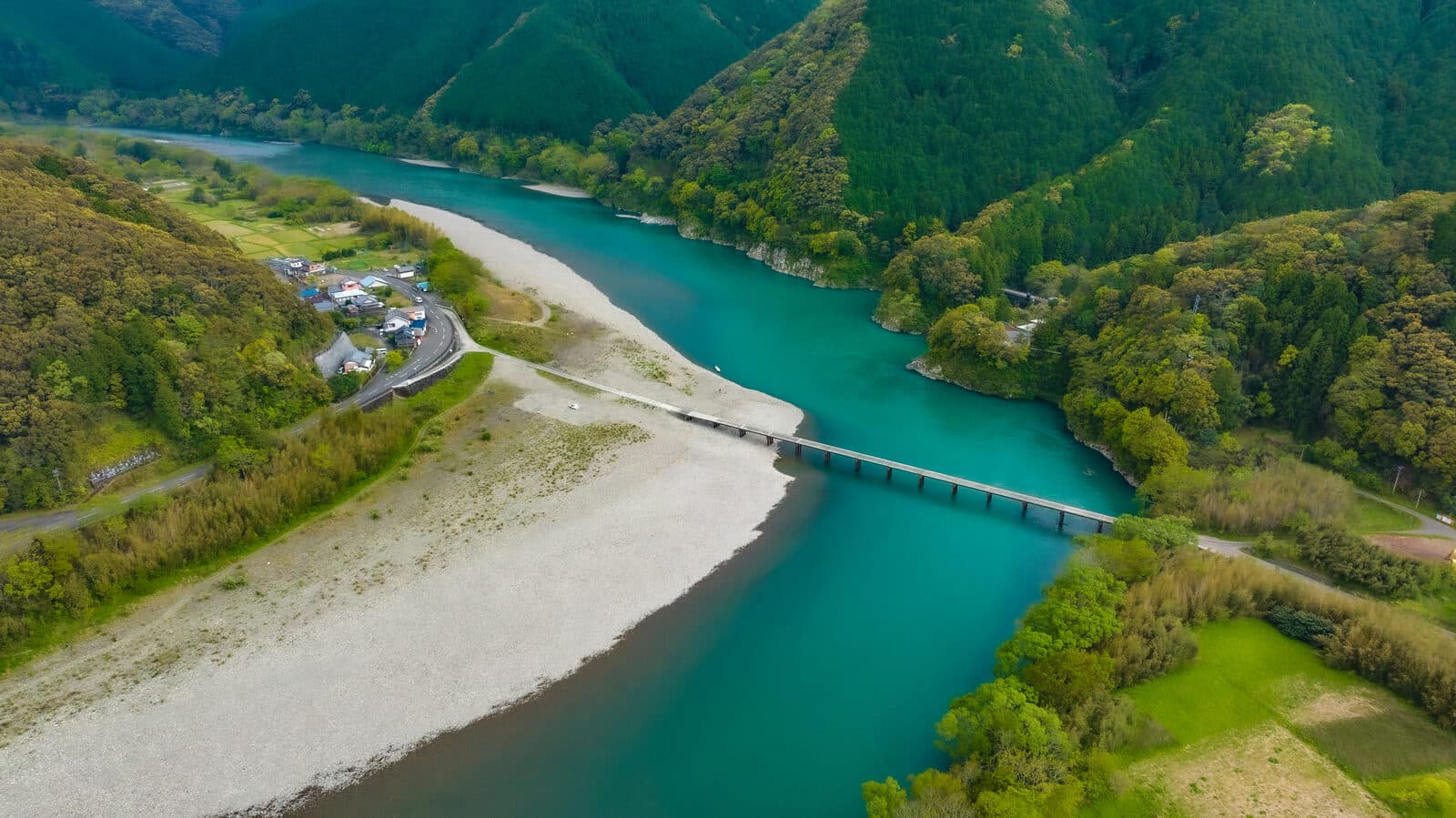
Rivers are the veins of the earth. They feed this planet with water and transport nutrients, sustaining life-giving ecosystems. Yet today, only 37% of the world's longest rivers still flow freely.
Water
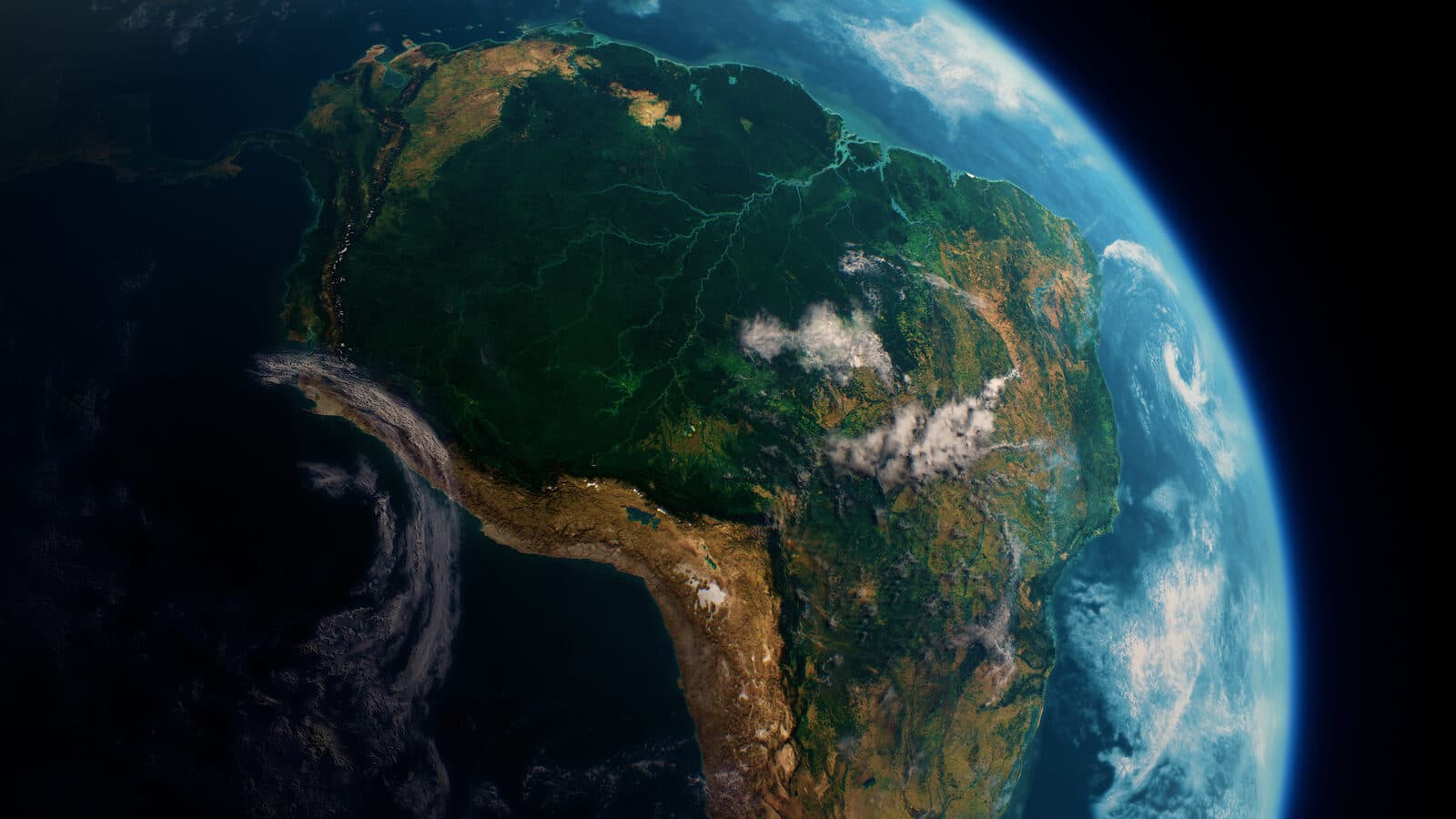
If the Earth is commonly known as 'The Blue Planet,' its accent colour must undoubtedly be 'Green Forest.' Forests cover almost one-third of all land globally — but their distribution and health is far from even.
NatureA sound medium decoded from the intersection of art and data.

A new study warns the Amazon could cross its tipping point by the 2040s, when 22–28% deforestation overlaps with 1.5–1.9°C of warming — within one human lifetime. Today's signals run across three blocks: Fashion at the Met and in Belfast, where exhibitions widen what a museum will show a body wearing; Technology through SAP, Microsoft, IBM and a Texas county pausing new data centres, as enterprise AI shifts from demos to audited plumbing; Climate in the Amazon, where the tipping point, shrinking carbon residence time and tree-ring records all describe a forest whose clock is speeding up.

Dataland is preparing to open in Los Angeles as the first museum built around AI-generated art, and a university library quietly turns four LLMs loose on handwritten manuscripts. Surgical robots, bio-inspired cognition and the human circadian clock describe an embodied intelligence that thinks through the body. Beneath all of it, submarine cables, knowledge graphs and rammed earth show that place and material are still where meaning lives.

Mechanistic interpretability turns AI safety into something a regulator can audit. Pottery sherds become data fabrics, robot arms scan cultural heritage, bird radar and Sentinel-1 write a decade of climate into the record. The art block lands on listening as civic act, the first museum built for AI art, and a theory that we don't decode music — we become it.
Data art that opens the door of perception.
Updates from SORAH, a few times a month.