Published on 26/April/2026 · Water
The Slow, Quiet Loss of the Planet's Free Currents
By SORAH Editorial
Rivers are the veins of the Earth — feeding this planet with water and nutrients, sustaining life-giving ecosystems. Yet today, only 37% of the world's longest rivers still flow freely. More than 1.2 million artificial barriers — dams, weirs, culverts — fragment river systems worldwide, blocking the natural movement of water, energy, and species.
The river is a dynamic system. If its dynamics are removed, the result is a waterway with an impoverished biotic community. — Dr. Christian Wolter, Senior Scientist, Leibniz-Institute of Freshwater Ecology and Inland Fisheries
Rivers are the veins of the earth. They feed this planet with water and transport nutrients, sustaining life-giving ecosystems. All rivers flow downhill, but not all rivers reach the ocean. Some rivers are fed from melting glaciers and snow, while others appear intermittently, trickling only during certain seasons or years. There are subterranean rivers carved into stones, and rivers running through cities encased in concrete. Floodplains have served as cradles for civilizations, while ancient roads followed the gushing sounds of springs. Rivers form, mark, and shape landscapes; valleys, gorges, lakes, deltas, and riparian forests become manifestations of water following its course. Once, rivers were sacred, enabling human and more-than-human habitats; now we shape them to our needs. We manipulate their flow to extract hydroelectric energy, discharge into them factory run-offs and other wastes, and use them as convenient routes to transport goods.
Free Flowing Rivers Today
According to a paper published in Nature in 2019, free flowing rivers (FFRs) are "rivers where ecosystem functions and services are largely unaffected by changes to the fluvial connectivity, allowing unobstructed movement and exchange of water, energy, material and species within the river system and with surrounding landscapes." Today only 37% of all rivers longer than 1,000 kilometres are FFRs. In dense and industrial areas in central Europe, this number is even lower. Dams, weirs, fords, and culverts stop rivers from flowing their natural courses, with more than 1.2 million in-stream barriers. In Great Britain, 97% of river networks have been altered by human-built structures — one barrier every 1.5 kilometres of stream. Regions at the edge of Europe fare better: The rivers in the Balkans, the Baltic States, parts of Scandinavia and southern Europe remain relatively unfragmented; though as of summer 2022, 3,281 hydropower plants were being planned in the Balkans.Rising demand for energy, water supply, and flood management have also triggered constructions in rivers across the world. The highest number of remaining FFRs are found in relatively undeveloped regions of the Arctic, the Congo and the Amazon Basin. But even in these places, rivers are under threat. In the Amazon, hydropower plants that produce less than 30 megawatts of electricity are not listed as barriers in official maps, yet their effects are cumulative; the more there are, the more they hinder rivers to flow free.
Examples of Free Flowing Rivers
Amur River — China, Russia, Mongolia
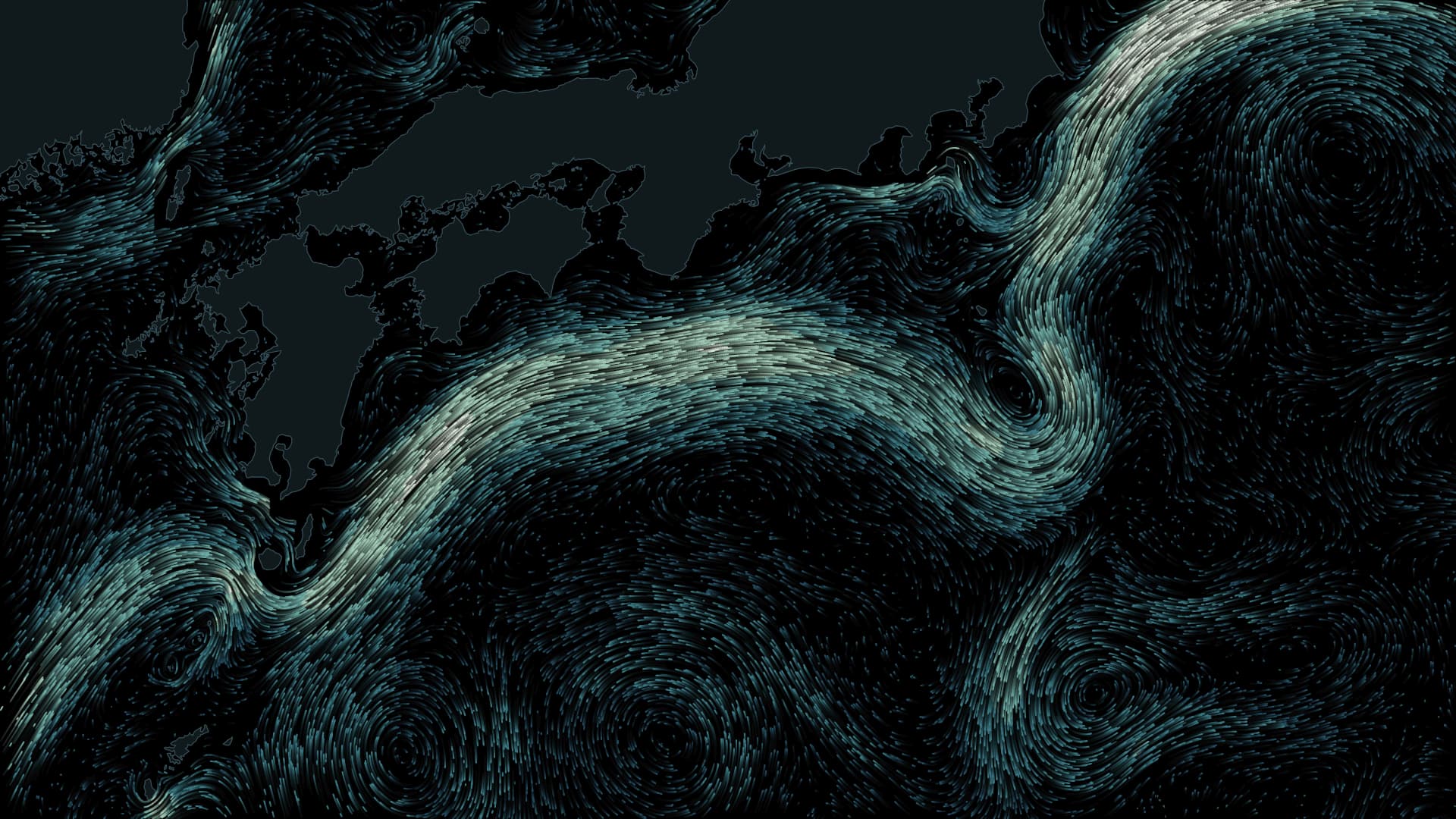
One of the world's biggest FFRs is the Amur. It remains unobstructed by dams, despite 75 million people living in its basin. On its way through forests and wetlands, the Amur gathers iron and other nutrients and releases them into the Oyashio current, transforming places where it touches the Northern Pacific Ocean into some of the richest fishing grounds worldwide. Japanese fishermen call the diverse temperate forests along the Amur uotsukirin, or "fish-breeding forests".
Shimanto River — Japan
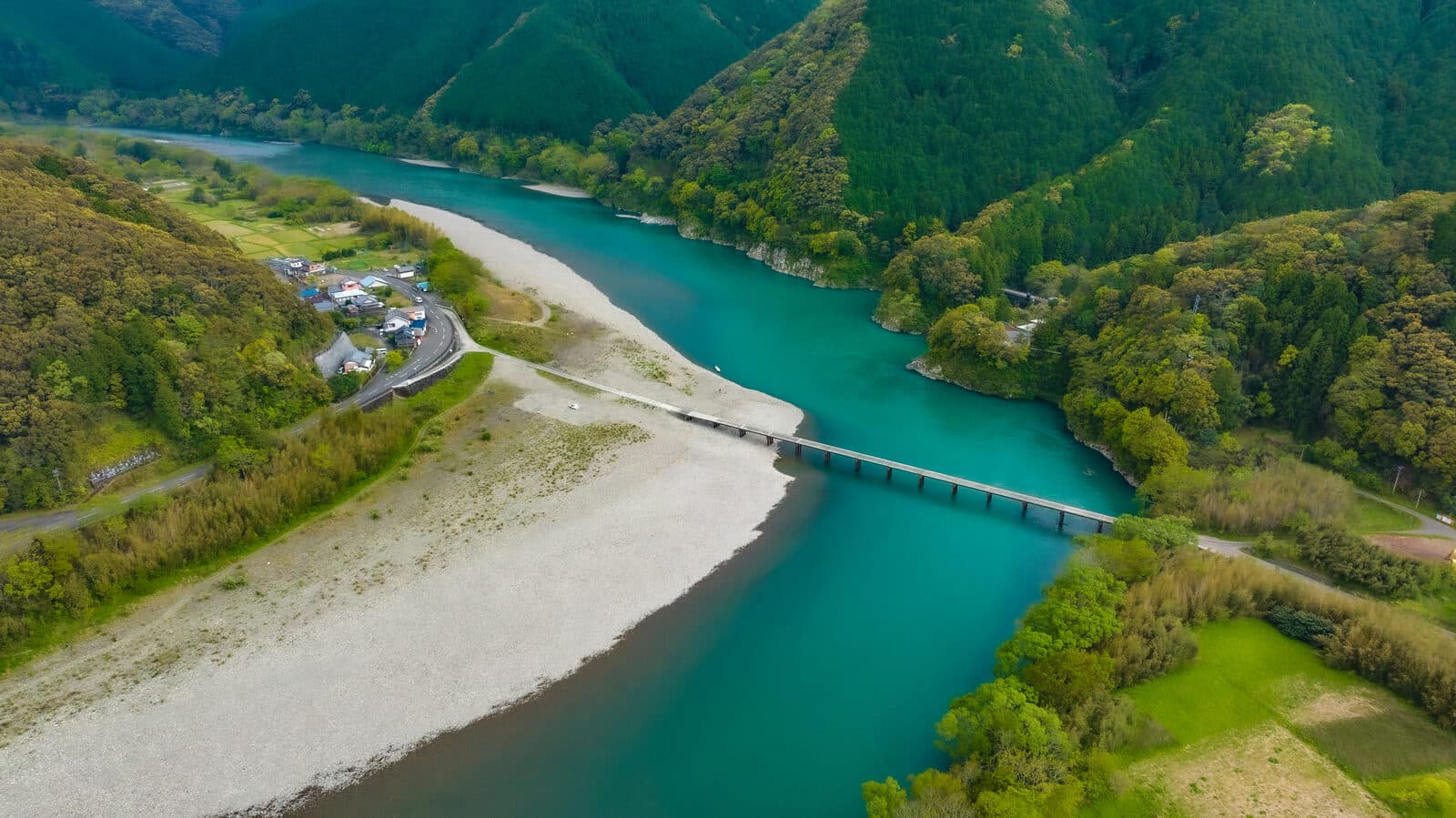
Due to the mountainous terrain of its island geography, Japan harbours many short, steep rivers that flow rapidly and violently. Typhoons and seismic movements regularly intensify the danger of flooding and landslides. Protective dams have been built since the year 616 AD; by August 2015, there are a total of 3,116 registered dams. Today, only three FFRs remain in the country, one of them is the Shimanto River in Kochi prefecture. Biodiversity along the Shimanto River is exceptional: more than 81 species of dragonflies live in the wetlands along the riverbank, while sweetfish, masu trout and freshwater shrimps still thrive.
Odra River — Czech Republic, Poland, Germany
The Odra river is one of the last FFRs in Europe. While there are no dams along its path, its hydromorphology has been significantly modified since the 18th century, transforming its wetlands into farmland. Leaving no marshlands to the riverbanks, invertebrates had no place to hide from a toxic algae bloom in 2022, killing 90% of snails and up to 83% of mussels on some sites.
Mekong River — Cambodia, Laos, Thailand, Vietnam
The Mekong flows free from the Tibetan plateau to the South China Sea. On its 4,500 kilometres journey, it changes with seasons and landscapes. 1,300 species of fish thrive in the river and a quarter of the global freshwater catch stem from the Mekong, providing livelihood to 60 million people. Being aware of the growing pollution and stressed state of the river, the Mekong River Commission, founded in 1995, serves as an advocate and a knowledge hub of water resource management for the sustainable development of the region.
Disruptions to FFRs
River connectivity affects the movement of the river, the livelihood of organisms, the transportation of sediments, the deposition of organic matter and the flow of nutrients. Alterations of river systems also render them less sustainable, less resilient and hence impact those human lives, who depend on their waters. When dams or reservoirs are built, water temperatures may rise; fish migration and reproduction is disturbed; sediments may accumulate in unwanted areas. Due to human alterations, animal populations in freshwater habitats have fallen by 83% since the 1970s and 20% of freshwater fish worldwide have since gone extinct. Polluted storm water run-offs threaten community health and bad irrigation management can lead to water scarcity.Whether a river can run freely or not is governed by the connectivity of its pathways. This is based on four dimensions: Longitudinally, can the river run freely along its entire channel or are barriers, like dams, obstructing its flow? Laterally, can the river expand to the floodplains, riparian areas, and wetlands, or are concrete banks keeping it from doing so? Vertically, can water and atmosphere interact with each other? Temporally, how much do structures like reservoirs influence the seasonal changes of water volume?
Conclusion
Hydromorphological alterations not only influence the flow of rivers, but also shape the surrounding landscapes and biospheres. Internationally, different entities are working on assessing river connectivity status, with the Brisbane Declaration in 2007 being the first to address a global network of FFRs. Since then, FFRs have been included in the United Nations Sustainable Development Goals. The latest practice includes giving rights to rivers, elevating them to legal entities that may sue those that harm their right to flow freely. In 2017 New Zealand became the first nation to declare the Whanganui river as a legal entity, since then many nations have followed this practice, including the Ganges in India, the Vilcabamba in Ecuador and the Magpie in Canada.Sources
- Grill et al. — Mapping the world's free-flowing rivers (Nature, 2019)
- The Guardian — Only a third of world's great rivers remain free flowing
- Balkan Rivers — Hydropower projects 2022 update
- Mongabay — Series of small dams pose big cumulative risk to Amazon's fish and people
- Research Institute for Humanity and Nature — Amur-Okhotsk Project
- WWF Greater Mekong — Mekong River
- The Guardian — Humanity has wiped out 60% of animals since 1970
- Stanford NCP — Dams could play big role in feeding the world more sustainably
Author
SORAH Editorial
April 26, 2026